The UNESCO UniTwin Complex Systems Digital Campus (CS-DC)
The UNESCO UNITWIN Complex Systems Digital Campus (CS-DC) is an international network of researchers and institutions that share knowledge, educational resources and computational facilities to advance complex systems science and its applications. Its purpose is to connect research across disciplines and scales, develop integrated models, and apply these to scientific, societal and environmental challenges. CS-DC operates through a distributed digital campus, including e-laboratories, e-departments and collaborative research roadmaps.
The CS-DC was recognized as a UNESCO UniTwin in July 2014 with the signature of a Cooperation Programme with the Director-General of UNESCO. In June 2026 The UniTwin mandate of CS-DC was renewed by UNESCO until 2030.
The main objectives of the Cooperation Programme are to:
• disseminate a new transdisciplinary scientific approach to the complex problems of the modern world through systems thinking and the science of complex systems -- a vision that values and combines the knowledge of all social, cultural, physical, environmental and philosophical domains
• contribute to research and education of the highest quality, making the science of complex systems and its applications accessible to all
• promote lifelong personalised education for all in the science of complex systems facilitated by an open online worldwide digital campus
• contribute to the aims of global development while being respectful of the diversity of social and cultural environments, genders, religions or other ways of life, merging science, engineering, politics and ethics for sustainable development.
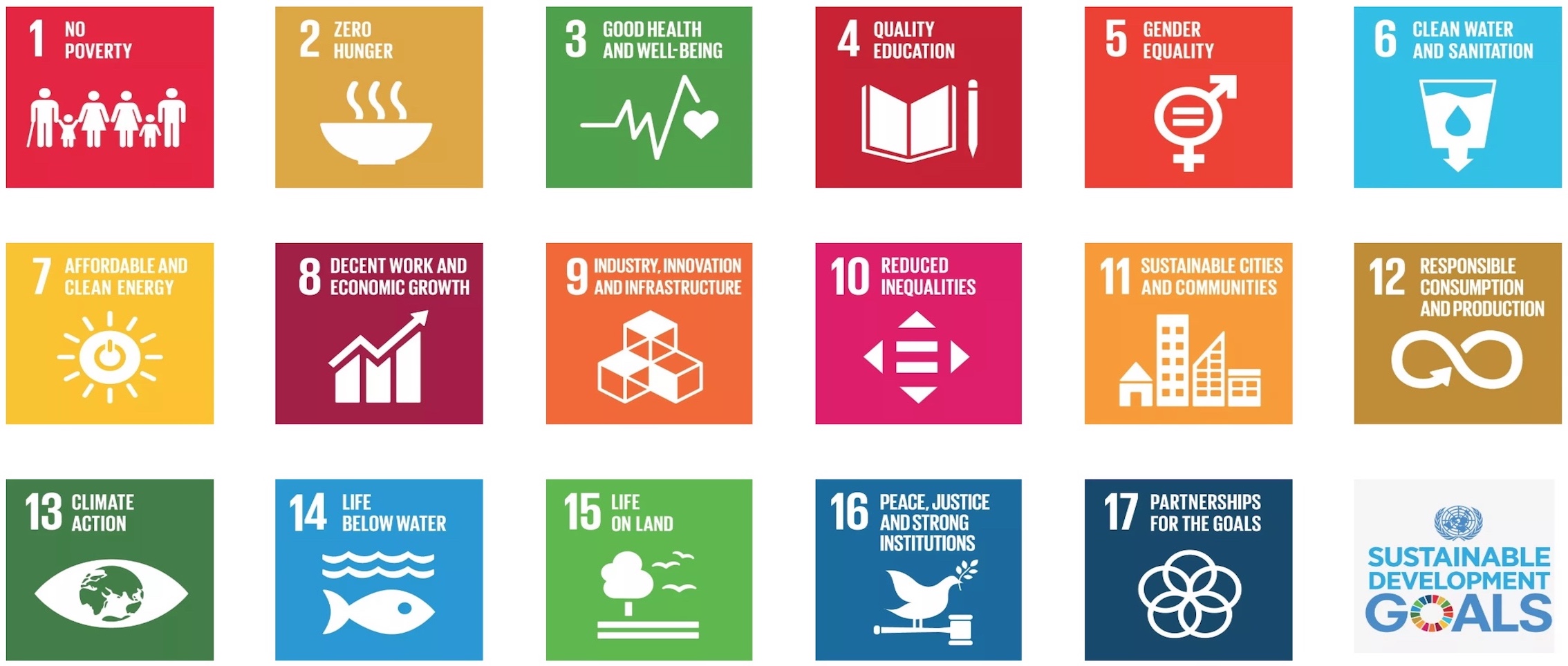
The CS-DC is committed to achieving the UN Sustainable Development Goals through cooperation and evidence-based science.